class iii malocclusion treatment options
The following case report aims to show a novel orthopaedic appliance to reduce the side effects of the orthopaedic Class III treatment through the use of two acrylic splints combined with a PowerScope device. Read more Back to top.

Treatment For Class Iii Malocclusion Pocket Dentistry
We all previously believed that Class III was completely or at least mainly genetic.

. The morbidities and compromises of different treatment options. Orthognathic surgery treats malocclusion poor bite by restructuring the jaw through cutting the bone and repositioning the bone segments. The estimated incidence of Class III malocclusion among the Korean Japanese and Chinese is 4 to 14 because of the large percentage.
In the early mixed dentition and in older patients with mild skeletal discrepancies orthodontic treatment usually involves proclining the maxilliary anterior teeth into positive overjet. Adults who have jaw-related malocclusion are sometimes offered a choice between simple orthodontic treatment and orthodontic treatment combined with orthognathic surgery. It is commonly believed that successful camouflage treatment for class III malocclusion can be achieved by proclination of maxillary incisors retrusion of mandibular.
The National Health and Nutrition Examination Survey reveals that a large percentage of the population has a malocclusionThat means that many people in the world have ill-positioned teeth. A high prevalence has been reported in Asians. Treatment Options for Class III Malocclusion in Growing Patients with Emphasis on Maxillary Protraction.
In Class III malocclusion the overjet is reduced and may be reversed with one or more incisor teeth in lingual crossbite. Contrary to class 2 class 3 malocclusions are characterized by lower molars that are too far forward compared to the upper molars. Etiologic factors for Class III malocclusions include a wide spectrum of skeletal and dental compensation components The condition might be characterized by mandibular prognathism maxillary retrognathism retrusive mandibular dentition protrusive maxillary dentition and a combination of the above Clinically Class III.
The prevalence of Class III malocclusion varies among different ethnic groups. Click a treatment category to explore. Malocclusion is the term for a skewed relationship between the positioning of the teeth with the jaw closed.
Class 3 is the rarest type of malocclusion. In camouflage with extraction the maxillary first premolars are extracted so that complete reduction of overjet can be achieved with Class II relation. What causes a Class III malocclusion.
Some people may see a class 3 malocclusion as a cosmetic issue that does not require treatment. However the reality is that having an underbite can make it hard to chew properly. Thus over time this causes strain and damage to the teeth and jaw muscles.
Class III malocclusion The relative mesio-distal relations of the jaws and dental arches are abnormal where the mandibular teeth occlude the maxillary teeth mesial to its normal position. Population56 The prevalence is greater in Asian populations. This type of early intervention has been indicated more frequently in order to eliminate primary etiological factors.
Early treatment with facemask and late treatment with surgery have previously been the most popular options however we should only decide on treatment modality after contemplation of the causes. A new treatment classification system of Class III malocclusions utilizing three dentoalveolar and three skeletal components combined with cephalometric. If left untreated a person can.
Early diagnosis and treatment are still highly discussed issues in orthodontic literature. There are three main treatment options for skeletal class III malocclusion. The treatment of Angle Class III malocclusion is rather challenging because the patients growth pattern determines the success of long-term treatment.
The growth status will also influence if early treatment growth modification or surgical treatment options are available to the patient at their. Skeletal Class III malocclusion is characterized by mandibular prognathism maxillary deficiency or some combination of these two features. Intervention at an early stage such as deciduous dentition or prepubertal growth phase has been recommended7389 In particular the prepubertal treatment of Class III malocclusion by means of rapid palatal expansion and facemask protraction yields favorable growth corrections both in maxilla and in the mandible73 In a controlled long-term.
Class 3 Malocclusion Treatment Options. Class III malocclusion is a less frequently observed clinical problem than Class II or Class I malocclusion occurring in less than 5 of the US. Class III malocclusion The relative mesio-distal relations of the jaws and dental arches are abnormal where the mandibular teeth occlude the maxillary teeth mesial to its normal position.
Adults who have. Anterior cross bite with premature tooth contact with CO-CR discrepancy Treatment. Approximately 30-40 of Class III patients exhibit some degree of maxillary deficiency.
Growth modification dentoalveolar compensation orthodontic camouflage and orthognathic surgery. Therefore devices can be used for maxillary protraction for orthodontic treatment in early mixed dentition. Treatment of Pseudo class III Malocclusion Clinical Features.
The prevalence in Caucasians ranges between 1 and 4. An orthodontic evaluation revealed the patient had a skeletal class III malocclusion with bilateral posterior crossbites extending anteriorly to. People with this underbite often have a chin that appears too pronounced.
Different Treatment Options for a Class 3 Malocclusion. Dental malocclusions are classified based on the positioning of the upper and lower molars. An Invisible Approach to Correct Mild Skeletal Class III Malocclusion.
In Class III malocclusion originating from mandibular prognathism orthodontic treatment in growing patients is not a good choice and in most cases orthognathic surgery is. This outdated dogma has now. There was a 2mm maxillary midline deviation to the right.
This case report describes the treatment of a 6-year-old patient with a skeletal Class III relationship with a maxillary. Journal of Pharmacy and Bioallied Sciences. In cases in which dental components are primarily responsible for Class III malocclusion early therapeutic intervention is recommended.
The patient had a class III molar relationship with no overjet and no overbite.

An Example Of An Adult Class Iii Malocclusion With Moderate Skeletal Download Scientific Diagram
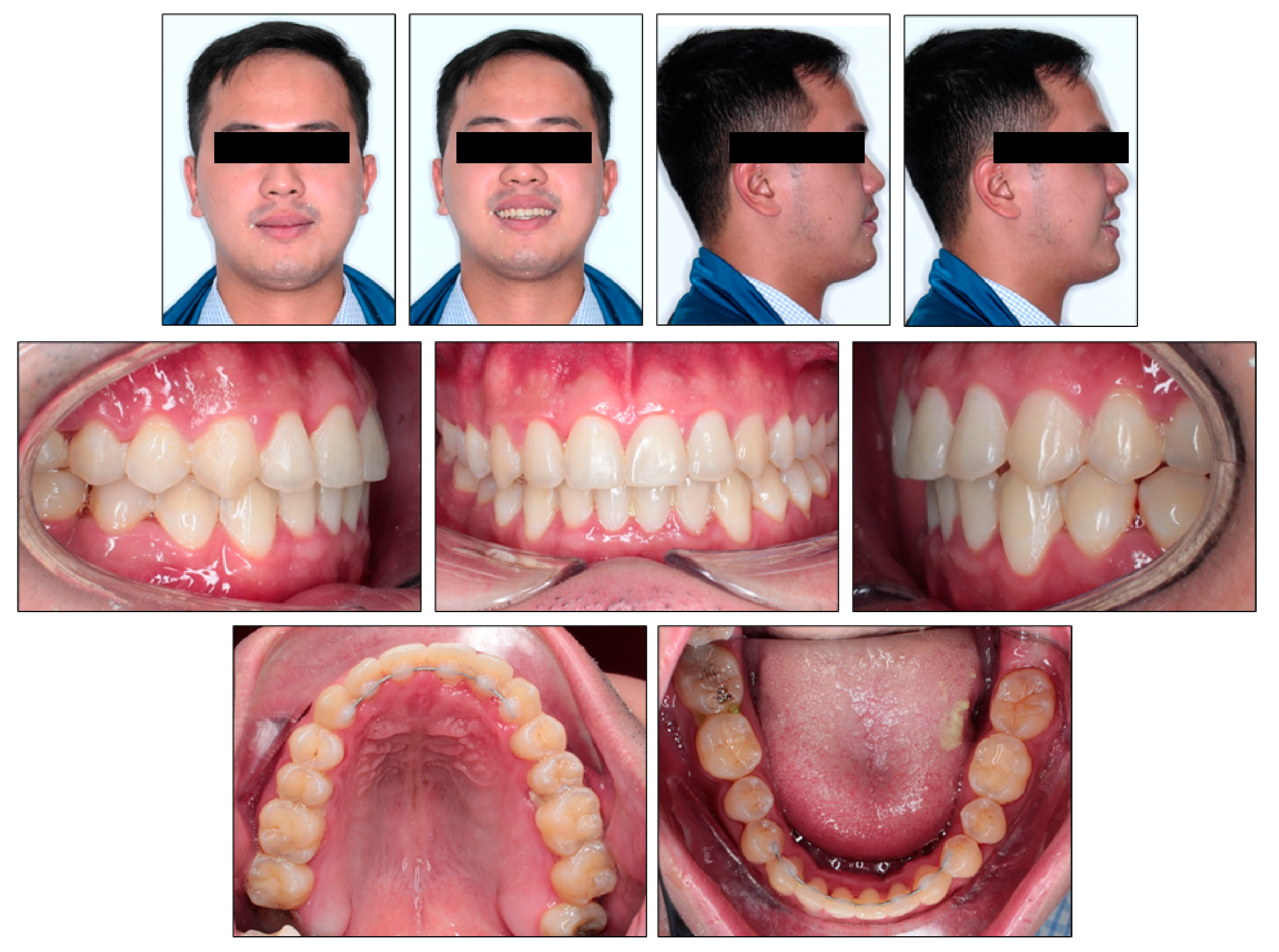
Ijerph Free Full Text Skeletal Class Iii Malocclusion With Lateral Open Bite And Facial Asymmetry Treated With Asymmetric Lower Molar Extraction And Lingual Appliance A Case Report Html
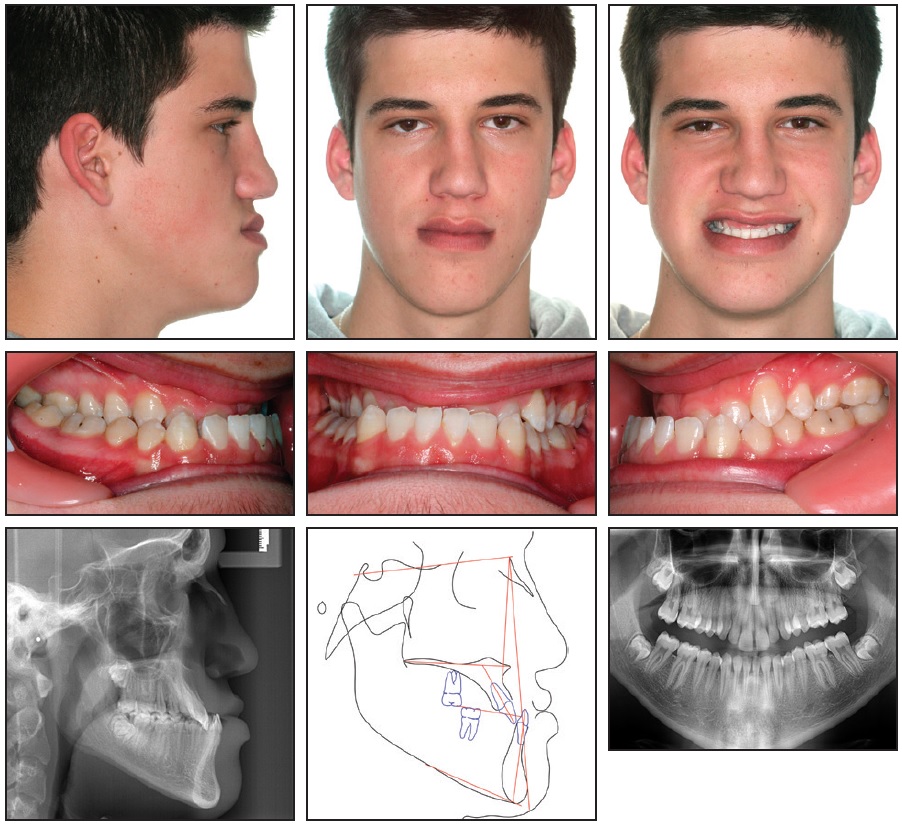
Nonsurgical Correction Of Severe Skeletal Class Iii Malocclusion Jco Online Journal Of Clinical Orthodontics
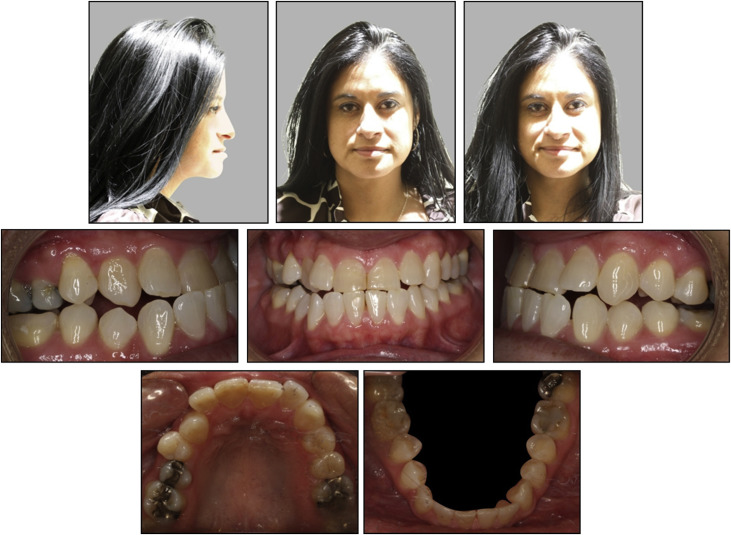
Camouflage Treatment Of Skeletal Class Iii Malocclusion With Conventional Orthodontic Therapy Pocket Dentistry

A 10 Year Old Male Patient With A Severe Class Iii Malocclusion Download Scientific Diagram
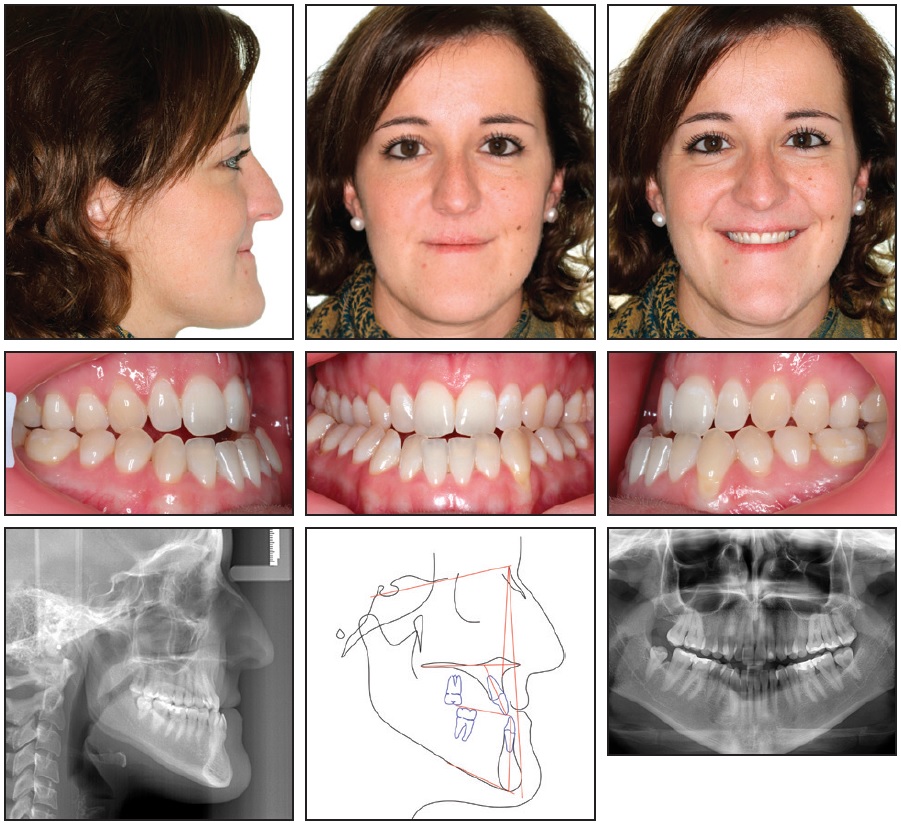
Nonsurgical Correction Of Severe Skeletal Class Iii Malocclusion Jco Online Journal Of Clinical Orthodontics

Summary Of Clinical Practice Guidelines For Developing Class Iii Download Scientific Diagram

Class Iii Malocclusion
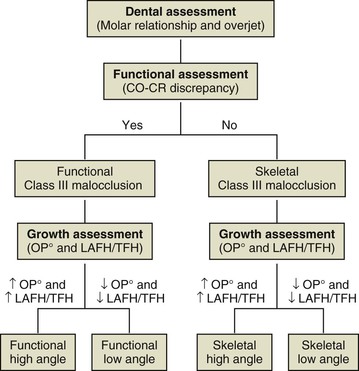
14 Treatment Strategies For Developing And Nondeveloping Class Iii Malocclusions Pocket Dentistry
2
Pdf Cost Effective Treatment Of Pseudo Class Iii Malocclusion In A Permanent Dentition With A Simple Removable Appliance Semantic Scholar
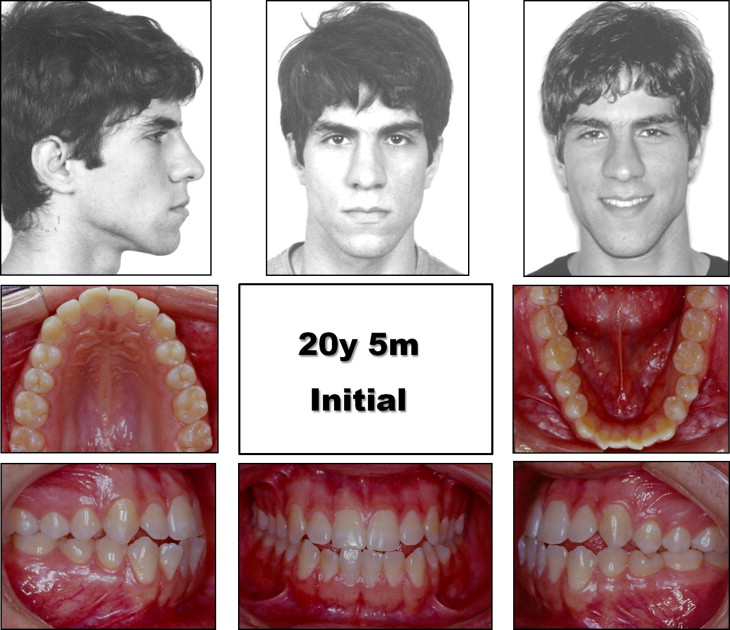
Angle Class Iii Malocclusion Treated With Mandibular First Molar Extractions Pocket Dentistry

New Orthopedic And Orthodontic Treatment Modality For Adult Patients With Skeletal Class Iii Malocclusion With Insufficient Maxillary Incisor Exposure Ajo Do Clinical Companion

Multidisciplinary Treatment With A Customized Lingual Appliance For An Adult Patient With Severe Class Iii Malocclusion And Multiple Missing Teeth American Journal Of Orthodontics And Dentofacial Orthopedics
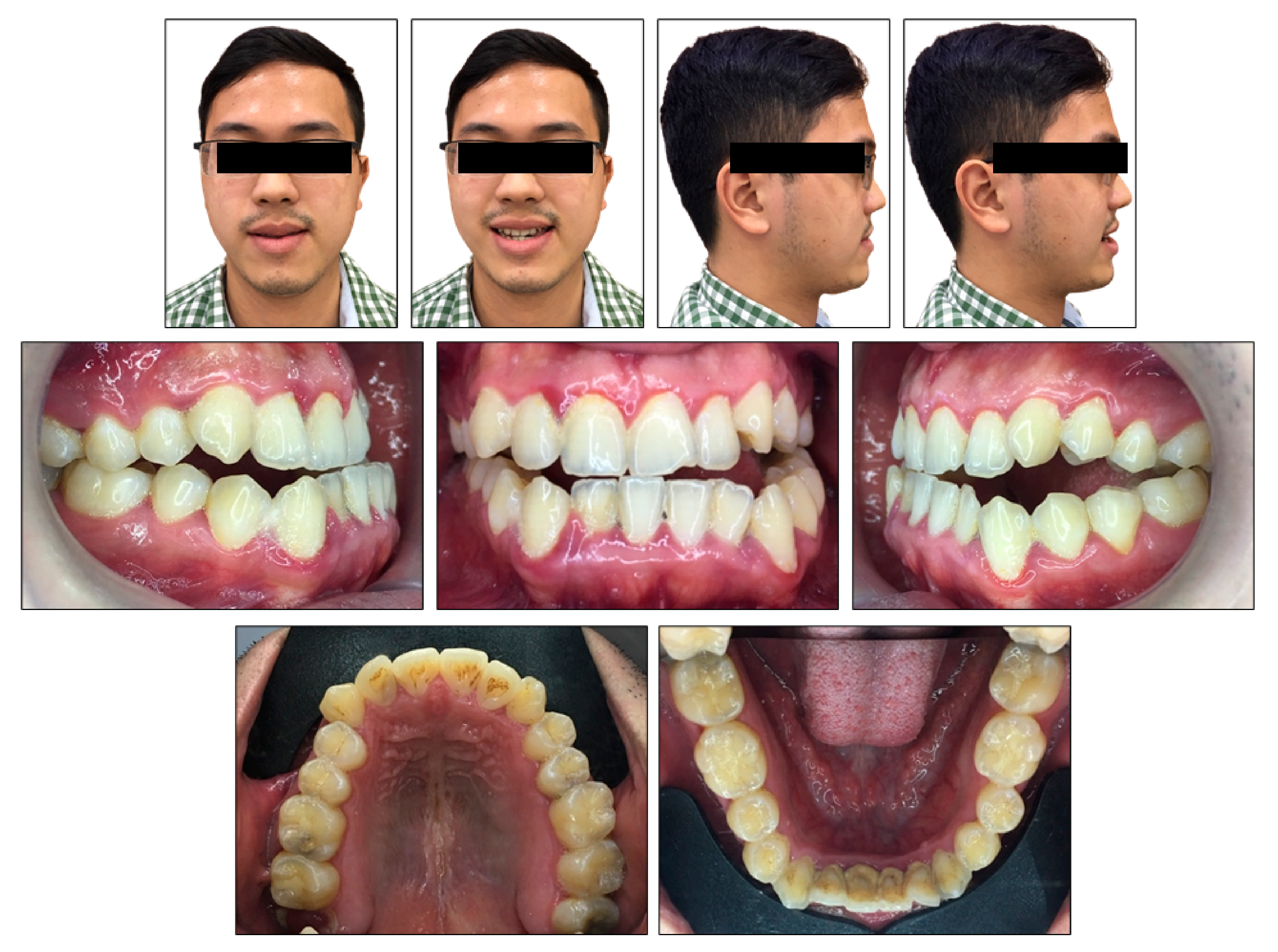
Ijerph Free Full Text Skeletal Class Iii Malocclusion With Lateral Open Bite And Facial Asymmetry Treated With Asymmetric Lower Molar Extraction And Lingual Appliance A Case Report Html
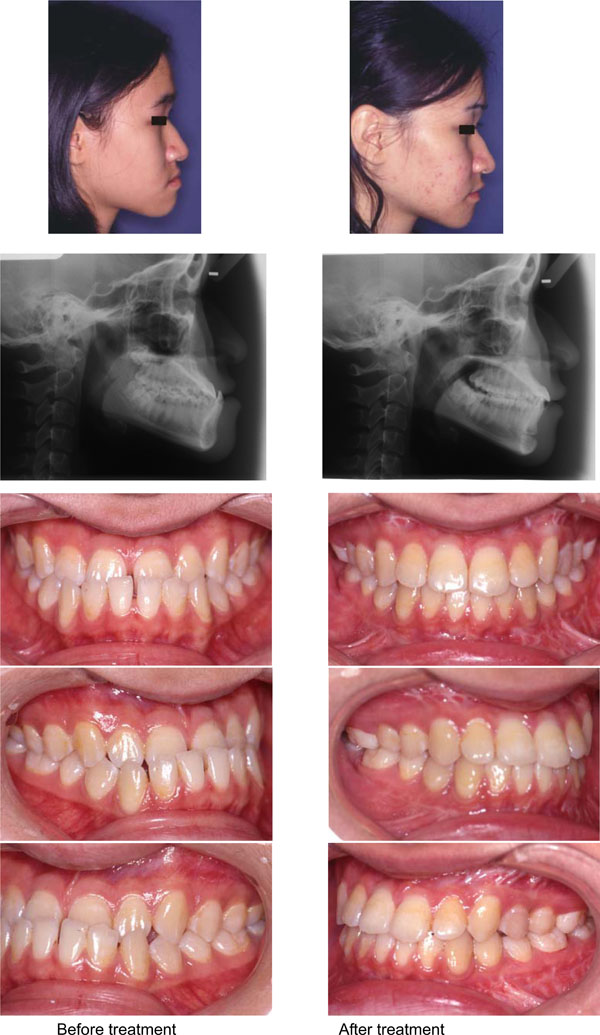
Treatment In Borderline Class Iii Malocclusion Orthodontic Camouflage Extraction Versus Orthognathic Surgery

Nonsurgical Correction Of Severe Skeletal Class Iii Malocclusion Jco Online Journal Of Clinical Orthodontics

Nonsurgical Treatment Of An Adult With Skeletal Class Iii Malocclusion Anterior Crossbite And An Youtube
2